

Unraveling The Mystery: When Does Black Ice Occur?
Black ice doesn’t appear out of the blue. Specific atmospheric and environmental conditions work together to create this hazard. Here’s a breakdown:
- Temperature Fluctuations: Black ice often forms when temperatures hover near the freezing point. If the thermometer reads just above freezing during the day, allowing snow or ice to melt, and then the temperature drops below freezing at night, the meltwater can refreeze, forming black ice.
- Clear Skies: On clear nights, the heat from the Earth’s surface escapes more efficiently into the atmosphere. This rapid cooling can lead to the formation of black ice, especially if there’s moisture present on the ground.
- Calm Winds: Wind can dry up moisture on roadways and pavements. But in the absence of wind, any moisture—whether from dew, light rain, or melted snow—can quickly freeze, setting the stage for black ice.
- First Snowfalls: Early winter or late autumn snowfalls can lead to black ice. Ground temperatures might not be cold enough to freeze snow, leading to melting. However, as temperatures drop at night, this melted snow can refreeze into black ice.
Reacting In The Crucial Moment: What To Do When Confronted By Black Ice
When you’re walking or driving and suddenly find yourself on black ice, swift and informed reactions can be lifesavers. What to do when you hit black ice?
Pedestrians:
- Stay Calm: Panicking can cause overcorrection, leading to slips or falls.
- Walk Slowly and Deliberately: Take short, flat-footed steps and try to keep your center of gravity over your feet.
- Use Handrails: If available, always use handrails, especially on icy steps or slopes.
Drivers:
- Avoid Sudden Movements: Whether it’s steering, braking, or accelerating, abrupt actions can worsen the skid.
- Steer in the Skid Direction: If the back of your car skids left, steer left. If it skids right, steer right.
- Ease off the Accelerator: Let the car slow down naturally rather than hitting the brakes, which can cause further skidding.

Boosting Safety With ‘walk On Ice’
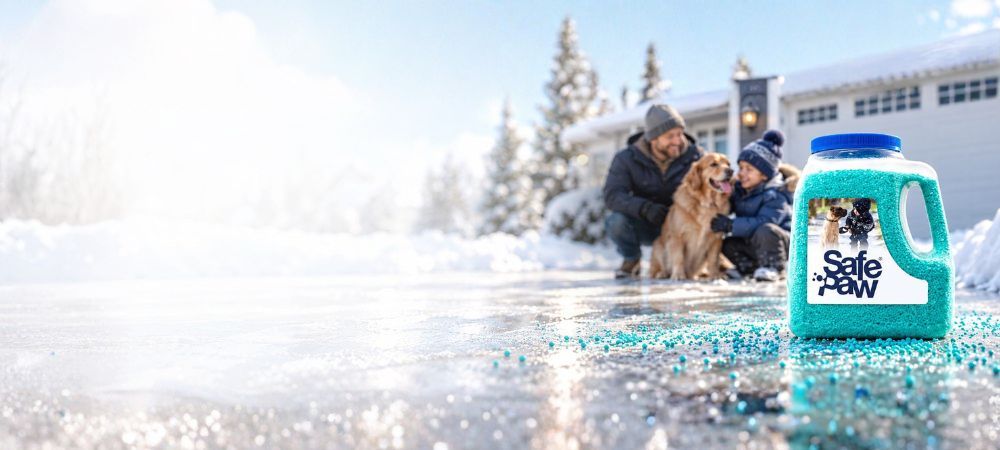
While understanding and anticipating black ice is essential, preparation is your best defense. Before stepping out, whether it’s to your driveway, sidewalk, or parking lot, sprinkle ‘Walk On Ice’. This powerful, all-natural traction solution is crafted from a blend of volcanic and rare earth minerals, ensuring maximum grip even on the slickest surfaces.
Free of harmful salts and chemicals, ‘Walk On Ice‘ offers an environmentally friendly solution to a winter problem. And for drivers, sprinkling this mix around your car or in areas you’ll be walking can help prevent those heart-stopping slip moments, offering peace of mind during the winter months.
Final Thoughts: Staying A Step Ahead Of Black Ice
So, when does black ice occur? Black ice may be a formidable winter challenge, but with knowledge and the right tools, we can reduce its threat. By understanding the conditions that lead to its formation and equipping ourselves with solutions like ‘Walk On Ice’, we can ensure safer journeys, no matter how treacherous the path ahead might seem.


