
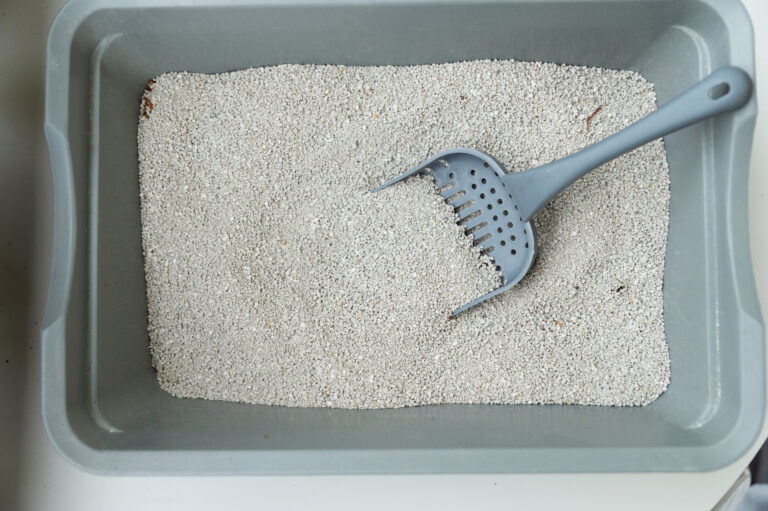
Production Of Cat Litter
The production of cat litter involves several stages. First, the raw materials are collected and processed. The most common material used by cat litter manufacturers in the USA is clay, specifically sodium bentonite clay, which is known for its clumping properties. Other materials include recycled paper, pine, corn, and silica gel.
Once the raw materials are collected and processed, they are then dried and sterilized to kill any bacteria or parasites that may be present. After sterilization, the materials are screened to remove any large pieces or foreign objects. The next stage is the addition of additives such as fragrances or odor absorbers. The final product is then packaged and ready for distribution.
Alternative Uses Of Cat Litter
Cat litter, besides its primary purpose, has several alternative uses that many people are not aware of. Here are a few:
Odor Absorber: Cat litter is excellent at absorbing odors. Place an open container of cat litter in your fridge, shoes, or any other area that needs odor absorption.
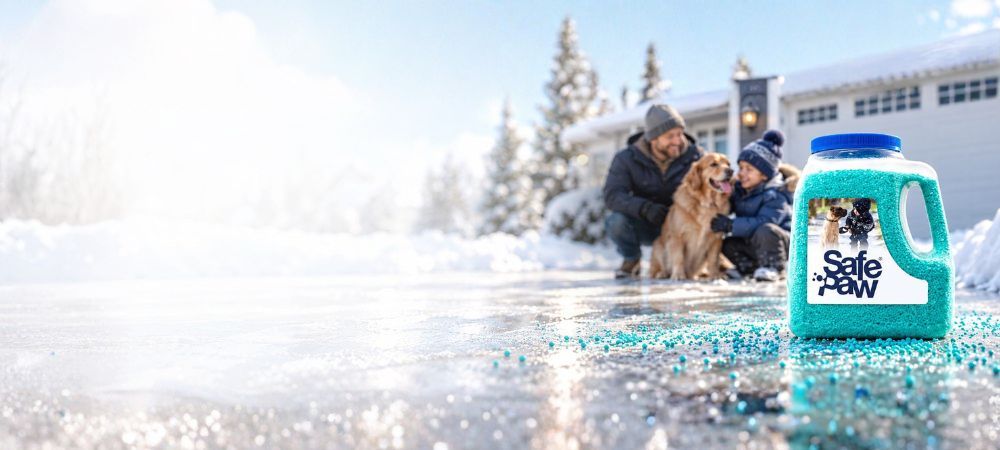
Traction on Ice: Cat litter can be used to provide traction on icy surfaces. Sprinkle some cat litter on your sidewalk or steps during icy conditions to prevent slips and falls. For this specific use, we recommend using ‘Walk On Ice,’ a product made from a blend of natural volcanic rock and seven other minerals. It is non-corrosive, safe for pets, people, and your property. Use ‘Walk On Ice’ on sidewalks, steps, or as instant traction for your car.
Moisture Absorber: Cat litter can help absorb excess moisture in damp areas, such as basements or garages. Place an open container of cat litter in these areas to help reduce the moisture.
Oil Spill Cleanup: Cat litter can be used to clean up oil spills in your garage or driveway. Simply sprinkle a generous amount of cat litter over the spill, let it absorb the oil, then sweep it up.

Choosing The Right Cat Litter Brand
With so many cat litter brands available, it can be challenging to choose the right one for your pet. Some factors to consider include:
- Clumping vs. Non-Clumping: Clumping litter forms solid clumps when it comes into contact with liquid, making it easier to scoop out. Non-clumping litter does not form solid clumps, which may make it less convenient to clean.
- Scented vs. Unscented: Some cats prefer unscented litter, while others do not mind a light fragrance. It is essential to know your cat’s preference and choose accordingly.
- Dust-free: Some cat litters produce a lot of dust, which can be problematic for cats and humans with respiratory issues. Opt for a dust-free option if this is a concern.
- Eco-friendly: Environmentally-friendly cat litters are made from renewable or biodegradable materials, such as corn or recycled paper.
Conclusion
Cat litter is a necessity for cat owners, and several cat litter manufacturers in the USA produce a wide variety of options. It is essential to choose the right cat litter brand that suits your cat’s preferences and needs. Additionally, cat litter has several alternative uses that can be helpful around your home. For icy surfaces, consider using ‘Walk On Ice‘ to provide instant traction and ensure the safety of your family and pets.


