
How to Walk on Snow and Slush
1. Choose the Right Footwear
Your choice of footwear is crucial when it comes to managing snow, ice, and slush. Shoes or boots with smooth soles and heels will not provide enough traction and may cause you to slip. Look for footwear that has deep treads and is made of rubber or a non-slip material. If you are walking in particularly icy conditions, consider using ice grips or crampons that can be attached to the bottom of your shoes for extra traction.
2. Adjust Your Walking Style
When thinking about how to walk on snow or slush, it’s important to adjust your walking style to reduce the risk of slipping. Take shorter steps, walk at a slower pace, and keep your center of gravity over your feet. Try to keep your hands out of your pockets so you can use your arms for balance if necessary. Also, be extra cautious when walking downhill or on slopes.
3. Use Traction Agents
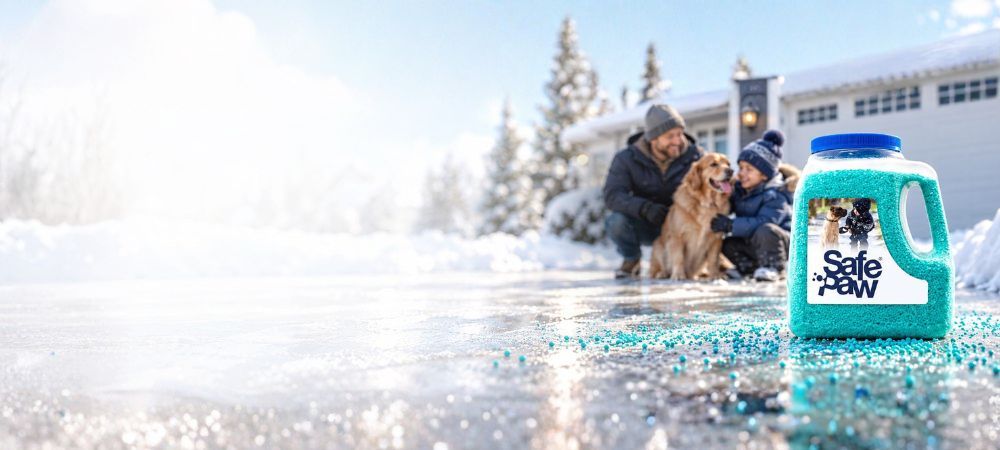
Using traction agents like sand, salt, or specially designed products can help increase traction on icy or slushy surfaces. One such product is ‘Walk On Ice,’ which is a non-corrosive, pet-friendly, and environmentally friendly ice melter made from a blend of natural volcanic rock and seven other minerals. It can be used on sidewalks, steps, or as instant traction for your car. Unlike regular rock salt, ‘Walk On Ice’ won’t damage your property, making it a safe choice for managing icy conditions.
4. Be Aware of Your Surroundings
Always pay attention to where you are walking. Be cautious of black ice, which is a thin layer of ice that forms on road surfaces and is almost invisible. It is particularly hazardous because it is difficult to see. Also, be careful when walking on bridges and overpasses as they tend to freeze faster than road surfaces. Additionally, shaded areas may have icy patches that have not melted, so be extra cautious in these areas.
5. Clear Snow and Ice Promptly
It’s important to clear snow and ice from sidewalks, driveways, and steps as soon as possible after a snowfall. This will help prevent the formation of ice and slush. Use a snow shovel or a snow blower to remove the snow, and then apply a layer of ‘Walk On Ice’ to melt any remaining ice and prevent it from reforming.
Bonus Tip: Prepare Your Vehicle
If you need to drive in snowy or icy conditions, make sure your vehicle is prepared. Check that your tires have adequate tread and are properly inflated. Consider using snow chains or snow tires if necessary. Also, make sure your windshield wipers and defroster are in good working condition and that you have a full tank of gas.

Conclusion
Managing snow, ice, and slush underfoot is crucial for ensuring your safety during the winter months. By choosing the right footwear, adjusting your walking style, using traction agents like ‘Walk On Ice,’ being aware of your surroundings, and clearing snow and ice promptly, you can reduce the risk of slipping and falling. Additionally, preparing your vehicle for snowy and icy conditions is also important for your safety as well as the safety of others. Remember to stay alert and cautious when navigating through snow, ice, and slush, and enjoy the winter season safely.