Understanding Ice Thickness For Safe Travels
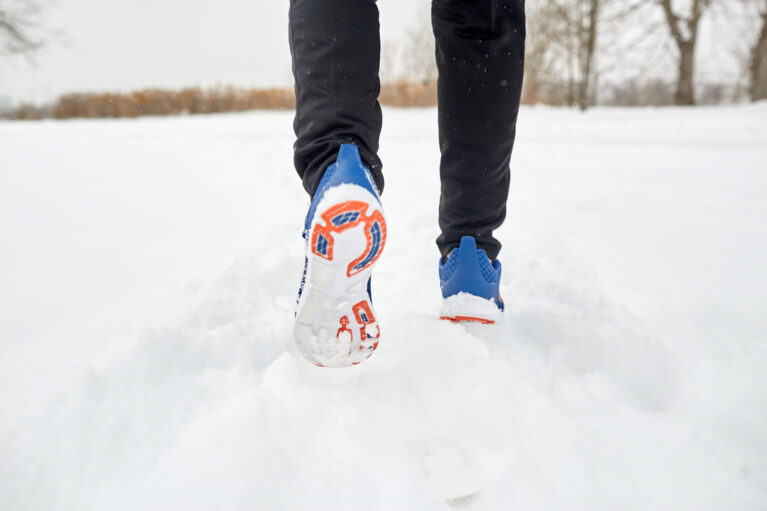
If you’re considering a picturesque drive on a frozen water body, or even just a winter stroll, it’s crucial to understand ice thickness and its ability to bear weight.
For Ice Walkings: For a single person walking on clear ice, you’d ideally want the ice to be at least 4 inches thick. This thickness ensures a good safety buffer and is generally considered secure for individual pedestrians.
Small Group Activities: Planning a small gathering or perhaps some ice fishing with friends? Aim for ice that’s at least 5-7 inches thick to support the weight of several individuals and their gear.
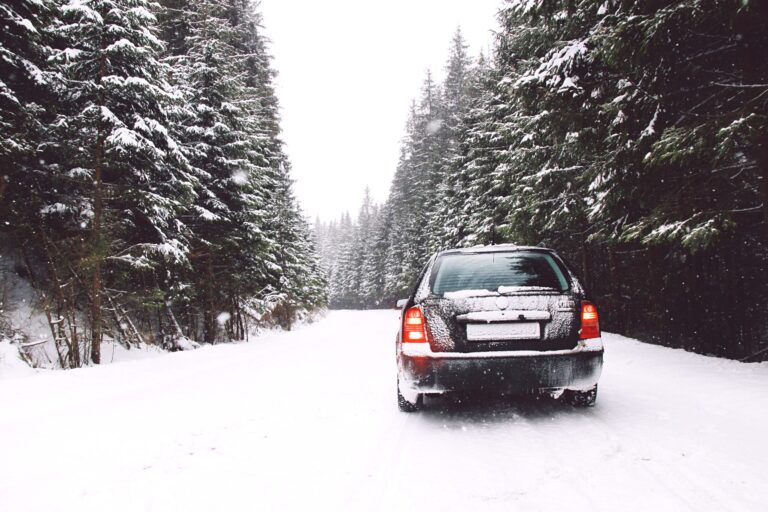
Driving Cars on Ice: This is where it gets tricky. Cars, with their concentrated weight, need a much thicker ice layer for safe driving. A minimum of 8-12 inches of solid, clear ice is recommended for smaller vehicles. For heavier vehicles like trucks, you’d want at least 12-15 inches of solid ice.
Factors Affecting Ice Strength
Not all ice is created equal. While thickness plays a major role, other factors can affect its strength:
- Type of Ice: Clear, solid ice is stronger than white, snow-filled ice. Always prioritize the former when considering any winter activities.
- External Factors: Snow cover, temperature fluctuations, and underwater currents can weaken the ice, making it unsafe even if it seems thick.
- Safety First: Always check with local authorities or experts before driving or walking on frozen water bodies. They’ll provide you with the latest information and any potential hazards.
Boosting Safety With “Walk On Ice”
Even with adequate thickness, icy surfaces can be slippery and treacherous, especially when conditions change, or during those times when salt and ice melt solutions fail.
Enter “Walk On Ice.” This traction agent is a must-have for anyone venturing out onto icy terrains, be it by foot or behind the wheel. Designed to provide immediate grip, it’s particularly handy when you encounter patches of black ice, a type of ice notoriously difficult to detect and treacherously slippery.

Why “Walk On Ice”?
- Instant Traction: Where traditional solutions might take time, or not work at all, “Walk On Ice” gets to work immediately, providing a firm grip on even the iciest surfaces.
- Compact & Convenient: This lifesaver fits easily in a glove box or bag. You’ll always have it at hand when needed.
- Safe & Natural: Made from natural ingredients, it poses no harm to the environment, pets, or people. Plus, it’s specially designed to lock onto the ice, creating a stable, non-skid surface, reducing the risk of accidents.

In Conclusion
We hope you have a better idea about how thick the ice should be to drive on. Driving or walking on frozen water bodies can be a magical experience, reminiscent of fairy tales. But, without proper precautions, it can quickly turn hazardous. Always prioritize safety. Understand the essential ice thicknesses, be aware of changing conditions, and boost your security with reliable aids like “Walk On Ice.” Remember, nature’s mirror is best enjoyed when you’re safe and sound. Happy winter adventures!