
Prevent Slipping On Ice-Covered Stairs By Using Instant Traction Agents
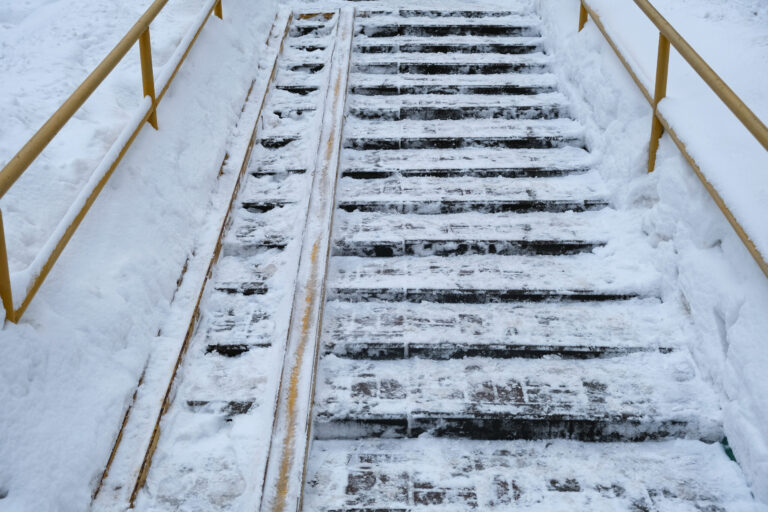
Slips and falls are among the most common causes of injury during the winter season. If the main entrance of your house has stairs, it is important to keep them ice-free during the winters for the safety of everyone. Or if you have to climb slick stairs out of your home then you must try to get the maximum traction that you can to avoid any falls. Spikes for shoes to walk on ice helps to increase the required traction between the ice layer and your shoes.
In this article, we will discuss walking on ice safety tips and how to protect your loved ones from slipping and falling on the stairs. The primary reason behind ice slipperiness is the presence of a thin watery layer on the surface of the ice. Let’s see what we can do to prevent slipping and falling on the ice:
Effective Snow and Ice Removal Techniques for Outdoor Stairs
First and foremost, it is always better to get rid of the fresh snow from your stairs. Shoveling snow at the right time helps in preventing the accumulation of snow and later formation of slippery ice. It is a well-known saying that prevention is better than cure. But it is not always feasible because snow removal requires a lot of time and effort commitment from your side. You have to start shoveling the snow as soon as the snowfall stops. Shoveling is hard and can be painful for your back and hands as well.
Using Instant Traction Agents to Prevent Slips on Icy Steps
The best walking on ice safety tips is to use instant traction agents. Salts take time to work, and you can wait that long to cross the slick icy path. When it is freezing outside, steps can become a tripping hazard. Use a natural and instant traction agent to improve traction on the steps. The most effective natural traction agent for your personal use is Walk On Ice. Walk On Ice contains two types of granules – Absorbers and Grippers that helps to provide the required traction for walking. You can spread the granules on the steps to provide traction on the steps.
How to Install Anti-Slip Tread Strips for Permanent Winter Safety
Rubber or other synthetic tread strips are an excellent solution to keep your steps free of ice. To prevent the strips from dislodging during use, tack them to your steps.
Like all ice-control techniques, tread strips function best when you stay proactive. Remove snow off steps as soon as possible after a snowstorm. When snow is allowed to settle and compact, slick conditions can develop, so shovel or sweep your steps as quickly as possible after a snowstorm. Even after using tread strips, you need to be ready with your shovel.
Get ready for winter with Walk On Ice instant traction on snow and ice
Ice Cleats vs. Spikes for Shoes: Walking on Ice Safely Without Slipping
Which boots can you walk on ice with? You need the spikes or ice cleats for shoes to provide you with enhanced traction while you are out in the snow. But ice cleats can be slippery when worn indoors on hard surfaces such as tile, ceramic, linoleum, sealed concrete, or epoxy.

How to Keep Wooden Steps Ice Free: Protecting Your Porch and Deck
If you’ve got wooden steps leading up to your deck, porch, or front door, you already know they can become an ice rink the moment the temperature dips. So, how do you keep wooden steps ice free without damaging the wood?
The trick is finding methods that prevent buildup while protecting your surfaces. Here are a few strategies:
- Sweep early and often: Clearing snow before it compacts into ice is half the battle. Even a quick broom sweep between heavier snowfalls can save you hours of scraping later.
- Apply pet-safe traction agents: Unlike salt, which can dry out or stain wood, Walk On Ice provides grip without harming the surface. Sprinkle it lightly, and your steps become safe to use immediately.
- Use outdoor-safe mats: Rubber mats designed for winter use can keep high-traffic zones clear while adding grip. Bonus—they won’t absorb water like old towels or rugs.
How to Fix Slippery Deck Stairs: Solving Persistent Winter Moisture Issues
Many homeowners ask: “Why do my deck stairs always feel slick, even when I’ve cleared them?” The answer lies in how moisture and shade interact. Deck stairs are often shaded by railings, awnings, or nearby trees, which slows down melting and creates persistent damp spots.
Add freezing overnight temperatures into the mix, and suddenly you’re dealing with icy patches that refuse to go away.
So how do you fix slippery deck stairs in practice?
- Add grip strips: Non-slip adhesive strips are inexpensive and easy to apply. They’re almost invisible, but they give you the same grip you’d expect on industrial stairs.
- Try wooden stair treads with texture: Instead of smooth planks, choose tread covers or overlays with a ribbed design. They shed water faster and create natural grip.
- Use traction agents after clearing: Even if you sweep snow away, moisture can refreeze. A light layer of Walk On Ice or sand for snow creates immediate grip and helps avoid black-ice-like slick spots.
Long-Term Solutions: How to Fix Slippery Wooden Steps Permanently
Fixing slippery wooden steps isn’t always about what you sprinkle on them—it can also mean long-term adjustments that improve safety year after year.
Some practical fixes include:
- Seal the wood properly: A good water-repellent sealant reduces how much moisture sits on the surface in the first place. Less water = less ice.
- Install handrails if you don’t already have them: Even with the best traction in the world, having a sturdy railing to grab onto makes a big difference in confidence and safety.
- Angle your steps slightly: If you’re building or remodeling, ensure your steps have a slight slope for drainage. Flat steps hold water longer, leading to refreeze.
- Permanent tread solutions: From screw-on aluminum grates to anti-slip paint additives, there are durable upgrades that look neat while adding year-round safety.
Sand For Snow: Reliable Or Just Messy?
Many people swear by sand for snow and ice, especially on stairs and walkways. But is it the best solution? Let’s weigh it out.
Pros of sand for snow:
- Provides immediate friction, even in extreme cold where salt won’t work.
- Affordable and easy to spread.
- Can be kept in a bucket by the door for quick application.
Cons of sand for snow:
- Does not melt ice—meaning you’ll need to keep reapplying after new snowfalls.
- Tends to scatter, leaving unsightly residue on steps and indoors.
- Can clog drains and require major cleanup in spring.
So, is sand for snow worth it? Yes, for quick grip in emergencies. But if you want something cleaner, safer, and eco-friendly, Walk On Ice or tread strips are more practical for everyday use.
Does Kitty Litter Help You Get Out of Snow? Fact-Checking Winter Myths
Another common hack is using kitty litter to get out of snow when your car tires are spinning or when steps are dangerously slick. The logic is simple: kitty litter is gritty, so it should add traction.
But here’s the reality:
- Non-clumping clay litter can add some grit, but it quickly absorbs moisture, turning into a slippery paste.
- Clumping litter is even worse—it forms wet clumps that stick to shoes and tires, creating more mess than traction.
- Eco-friendly litters (like silica or corn-based) aren’t much better—they’re not designed for outdoor traction, and some can even damage surfaces.
If you’re in a bind, kitty litter might help for a few minutes, but you’ll likely be left cleaning sludge off your steps or tires later. For a safer, longer-lasting alternative, stick to products designed for traction.
Best Daily Habits to Prevent Slipping on Ice-Covered Stairs
Along with products, your everyday habits can make a big difference in keeping steps safe:
- Clear snow before it compacts. Even a broom sweep between shoveling saves hours of work.
- Apply traction early. Don’t wait until you—or worse, a guest—slips. Preventive traction is far more effective.
- Store a canister by every entrance. Convenience is key—if Walk On Ice is right by the door, you’re more likely to use it.
- Check problem spots daily. Shaded stairs, north-facing steps, and high-traffic areas need extra attention.
Conclusion: Mastering Winter Safety for Icy and Slippery Outdoor Stairs
Walk On Ice shines as the instant, mess-free solution that works across all surfaces—wood, concrete, asphalt—without harming pets, plants, or your property. Pair it with proactive snow clearing and long-term upgrades, and you’ll have peace of mind all winter long.
FAQs
Other Ice Melt Products
Safe Paw
The Original and #1 Selling Pet and Child Safe Ice Melt for over 20 years. Guaranteed environmentally safe – will not harm waterways and sensitive wetlands. All products are made in the USA.

Safe Thaw
Imagine an ice melt you can put down and never worry about. It won’t harm pets, kids, and your property. That’s Safe Thaw. Unlike anything else on the market, Safe Thaw can change how winter affects our planet.