
Sand Vs Kitty Litter Vs Walk On Ice

Getting trapped in the snow, slush, or ice can be a nightmare. But a far worse situation is being a victim of slip and fall incidents. We all are well aware of the dangers of walking on ice. Many people keep sand or kitty litter in their trunks and homes to help with traction while walking on ice. But are they effective and safe to use, like Walk On Ice? Let’s find out.
Does Kitty Litter Help on Ice? Pros and Cons of Kitty Litter for Ice Traction
Kitty litter does not contain rock salt. It is the fundamental reason that homeowners use it for traction, as it does not burn the paws of their furry friends. It does not damage people’s skin and is safe for the environment, unlike regular ice melt. Furthermore, it absorbs moisture and can help with traction but is not effective on all surfaces and temperatures. Moreover, when wet, it turns into a slick mush that needs a lot of cleaning afterward.
Using Sand for Ice Traction: Effectiveness on Sidewalks and Roadways
Sand enhances traction and avoids slippage on roadways and sidewalks. It is sprinkled on top of ice and snow, making it an ugly mess. While it does not melt ice or snow like salt, it does provide additional traction when used appropriately.
It can be used at any temperature as long as it is consistently applied over the ice and reapplied regularly. Because it does not dissolve ice or snow, it must be sprayed whenever new snow or ice accumulates on the concrete. It can leave more residue behind and require further clean-up when the snow or ice melts.

Walk On Ice Traction Product: A Natural, Mineral-Based Solution for Ice
It consists of all-natural minerals and chemicals that are completely safe, devoid of salts and substances that are damaging to the body and surfaces, and can be safely used on all types of surfaces like decking, new concrete, pavers, parking areas, and so on.
It creates a skid-free, slip-free surface on ice and snow for walking, pet, and car traffic, as well as other applications, works at any temperature and with any thickness of the ice, and it’s highly absorbent and abrasive, making it ideal for cleaning up messes caused by animal feces, body fluids, oils, paints, and other viscous substances.
Non-corrosive and non-conductive – won’t harm your vehicle or furniture in the backyard. The packaging of Walk On Ice makes it handy and easy to carry, even in a handbag or glove compartment. You can use it anywhere, giving you instant protection from slips and falls.
It keeps you safe from the dangers of walking on ice by its dual-action method: absorbers and grippers. It has seven all-natural geo-crystals mined in the US. To create a non-slip surface, the ‘absorbers’ drain the water while the ‘grippers’ grip the ice/snow. Vehicles, people, animals, and pets can all use the treated surface right away. Furthermore Walk On Ice has micronutrients, which allow the product to be swept into the lawn or garden for a lush and greener grass in the spring.
How to Get a Car Unstuck: Does Kitty Litter Help You Get Out of Snow?
While sand, kitty litter, and Walk On Ice each have their place, winter often throws a curveball when your car gets stuck in snow or ice. It’s a situation that tests patience more than anything else. Spinning your wheels only makes things worse, digging you deeper. The smart move is to first clear snow away from your tires, then decide what will give you the best traction.
Some drivers still try kitty litter here, but does kitty litter help you get out of snow? Only to an extent. It provides temporary grit, but once wet, it clumps, loses grip, and makes a sticky mess. Sand performs better than kitty litter but scatters quickly and requires frequent reapplication. Walk On Ice, on the other hand, was designed for exactly this—providing immediate, firm traction under tires without turning into sludge. Keep a canister in your glove box, sprinkle it beneath the wheels, and gently rock your car back and forth until it breaks free. It’s less hassle and far more effective.
Best Sand for Ice Traction vs. Mineral-Based Sand vs. Ice Melt Alternatives
For homeowners who prefer traditional fixes, the question often becomes: what’s the best sand for ice traction? Coarse construction-grade sand usually works best because the larger grains dig into the ice and give some footing. Playground sand or fine sand, by comparison, tends to blow or wash away without much benefit.
Still, it’s important to weigh the pros and cons of using sand on roads and driveways. On the plus side, sand is inexpensive, widely available, and non-corrosive. It won’t damage concrete or harm pets’ paws. But here’s the catch—it doesn’t melt ice, it only adds friction. That means you’ll need to reapply every time new snow falls or ice forms. And once winter ends, you’re left cleaning up gritty residue from your driveway, sidewalks, and even drains. So yes, coarse sand can help in a pinch, but it’s far from a clean or lasting solution.
How to Make Stairs Less Slippery: Best Traction for Ice and Snow on Steps
Icy driveways aren’t the only hazard—stairs are often the most dangerous. If you’ve ever wondered how to make stairs less slippery, especially wooden ones, the solutions go beyond just sprinkling sand or kitty litter. Rubber stair treads, adhesive anti-slip strips, or even outdoor stair mats can all make a big difference. They create a permanent layer of grip so you’re not relying solely on temporary fixes.
For pet owners, traction is just as important for furry paws. Products like Walk On Ice are particularly helpful here because they’re safe for dogs and cats, unlike many chemical deicers. While sand for ice traction works temporarily, it can scratch wood, scatter indoors, and track dirt through your house. A mineral-based traction agent gives you the safety you need without the cleanup headache.
And don’t forget—stairs become even riskier when you’re carrying groceries, mail, or trying to juggle a leash. Keeping them treated with a reliable anti-slip method should be as much a winter habit as shoveling snow.
Why Specialized Traction Agents Outperform Traditional Sand and Litter
At this point, it’s clear: both sand and kitty litter come with serious limitations. Kitty litter can absorb moisture, but when wet it’s slick and messy. Sand improves footing but requires constant reapplication and spring cleanup. Walk On Ice solves both problems in one product—it absorbs the thin water layer that makes ice slippery and uses its natural “grippers” to create a sandpaper-like surface you can trust.
The bonus? Unlike sand or litter, Walk On Ice has no negative environmental impact. It’s non-corrosive, safe for pets and plants, and even contains micronutrients that can be swept into the lawn come spring. So instead of trading safety for convenience, you get both.
Get ready for winter with Walk On Ice instant traction on snow and ice
Conclusion: Choosing the Best Traction Solution for Your Winter Safety
So where does that leave us? If you’re stuck with the decision between sand, kitty litter, or Walk On Ice, the answer depends on whether you want a short-term, messy fix or a long-term, reliable solution. Knowing what to do if your car is stuck in snow is just as important as deciding how to make stairs less slippery at home. Sand may still have its place as an emergency tool, but Walk On Ice provides cleaner, faster, and safer traction every time.
This winter, think beyond tradition. Instead of hauling heavy bags of sand or sweeping up clumps of kitty litter, keep a lightweight Walk On Ice canister ready. Whether it’s your driveway, your stairs, or your car tires stuck in a snowbank, you’ll always have instant traction at your fingertips. Safety doesn’t have to be messy—sometimes the simplest, cleanest solution really is the best.
FAQs
Other Ice Melt Products
Safe Paw
The Original and #1 Selling Pet and Child Safe Ice Melt for over 20 years. Guaranteed environmentally safe – will not harm waterways and sensitive wetlands. All products are made in the USA.

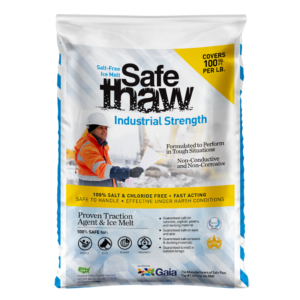
Safe Thaw
Imagine an ice melt you can put down and never worry about. It won’t harm pets, kids, and your property. That’s Safe Thaw. Unlike anything else on the market, Safe Thaw can change how winter affects our planet.