
How To Clean Clumping Cat Litter: A Step-By-Step Guide
Cat ownership comes with many joys and responsibilities, one of which is maintaining a clean and odor-free litter box. Clumping cat litter is a popular choice among cat owners because it makes the cleaning process easier and helps control odors. However, it is essential to know how to clean clumping cat litter effectively to ensure your furry friend’s hygiene and comfort. Here is a step-by-step guide on how to clean clumping cat litter and some tips on how to save money on cat litter.
Step 1: Essential Supplies for Cleaning Clumping Cat Litter
Before starting the cleaning process, gather all the necessary supplies:
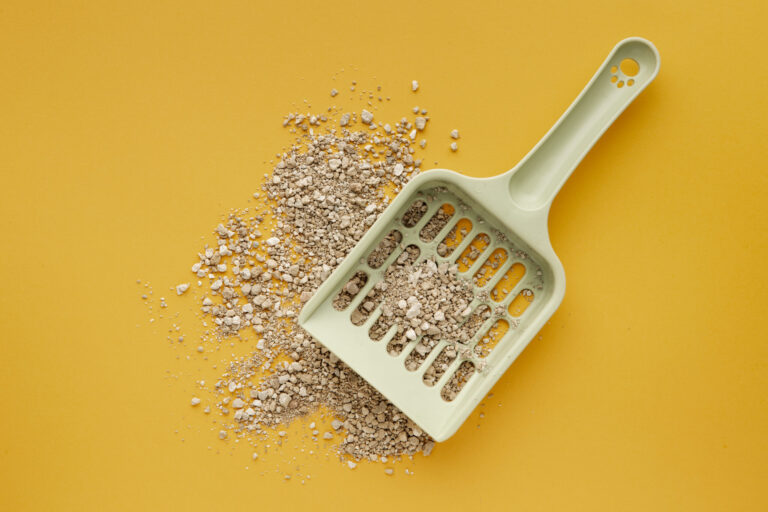
- A litter scooper
- A trash bag or disposable bag
- Fresh clumping cat litter
- A litter box liner (optional)
- Cleaning gloves
- Paper towels or a clean rag
- Mild soap or a pet-safe litter box cleaner
Got it? This is just the first step on how to clean clumping cat litter.
Step 2: How to Scoop Clumping Cat Litter Without Breaking Waste
Put on your cleaning gloves and use the litter scooper to remove all the clumps and solid waste from the litter box. Make sure to scoop carefully to avoid breaking the clumps into smaller pieces, which can make the cleaning process more challenging.
Step 3: Maintaining Proper Litter Depth: When to Add More Clumping Litter
After removing the clumps and solid waste, check the litter level. If the litter is significantly reduced or if it appears dirty even after scooping, it’s time to replace the litter entirely. However, if the litter still looks relatively clean, you can add a fresh layer of clumping cat litter on top.
Step 4: How to Deep Clean a Litter Box: Washing and Sanitizing Tips
If the litter box needs a thorough cleaning, empty all the remaining litter into a trash bag or disposable bag. Remove the litter box liner if you are using one. Clean the litter box with mild soap or a pet-safe litter box cleaner and water. Make sure to scrub all the corners and edges of the litter box. Rinse the litter box thoroughly and dry it completely before adding fresh litter.
Step 5: How Much Fresh Clumping Cat Litter Should You Add to the Box?
Line the litter box with a new liner if you are using one. Pour a layer of fresh clumping cat litter into the litter box. The litter should be about 3 to 4 inches deep. This depth allows your cat to dig and bury its waste while preventing the waste from sticking to the bottom of the litter box.
Step 6: Safe Disposal: How to Get Rid of Used Cat Litter Properly
Tie up the trash bag or disposable bag containing the old litter and dispose of it in an outdoor trash can. Wash your hands thoroughly after handling the used litter.
Budget Tips: How to Save Money on Cat Litter Every Month
- Buy in Bulk: Buying cat litter in bulk can significantly reduce the cost per pound. However, make sure to store the excess litter in a cool, dry place to prevent it from absorbing moisture and odors.
- Use Litter Liners: Litter liners can extend the life of your litter box and make the cleaning process quicker and less messy.
- Reuse Plastic Bags: Use grocery bags or other plastic bags as trash bags instead of buying new ones.
- Maintain the Litter Box Regularly: Regular maintenance of the litter box will reduce the amount of litter you need to replace. Try to remove clumps and solid waste daily and add fresh litter as needed.
What is the Best Way to Clean Up Cat Litter Around the House?
Now that you’ve mastered scooping clumps and refreshing the box, let’s tackle another challenge: the best way to clean up cat litter once it’s outside the box. Even with tidy cats, stray granules seem to sneak across the floor, especially with clumping or silica varieties.
A good starting point is a litter mat. These mats catch granules from your cat’s paws as they exit the box, saving you from constant sweeping. For floors, a handheld vacuum or stick vacuum with a strong suction setting is often easier than chasing tiny pieces with a broom. If you’re dealing with stubborn clumps stuck to surfaces, a damp paper towel works better than dragging out the mop.
One quick hack? Keep a small dustpan and brush near the litter box. Scooping up stray pieces immediately prevents them from scattering further through the house.
Does Cat Litter for Ice and Snow Provide Reliable Traction?
Here’s a question many cat owners ask once winter rolls around: “Can I use cat litter for ice and snow outside?” The idea makes sense—after all, you’ve already got bags of it at home. But the reality is more complicated.
Cat litter can provide temporary traction on slick steps or driveways. The granules act as a rough surface, much like sand for traction on ice. However, litter doesn’t melt the snow or ice—it only gives you a little grip. Worse, clumping litter absorbs water, turning into a sticky sludge that can be harder to clean than the original ice.
Some people try silica-based litters outdoors, but those aren’t ideal either. They can scatter easily, wash into drains, and raise concerns about the silica cat litter environment impact. Unlike sand, which is naturally occurring, silica crystals are manufactured and not biodegradable, making them less eco-friendly.
So while cat litter for traction may be a quick fix in a pinch, it’s not the most practical long-term solution.
Silica Cat Litter Environment Impact: Is Crystal Litter Eco-Friendly?
Since we’ve mentioned silica, let’s dive a little deeper. Silica gel litter is praised for its odor control and low tracking, but it also raises environmental questions. These litters aren’t biodegradable and require industrial processes to produce, which has a heavier footprint compared to biodegradable options like corn, wheat, or recycled paper.
If sustainability is important to you, switching to biodegradable litters—or at least alternating between them and silica—can reduce your household’s impact. Another eco-friendly practice is composting biodegradable litters (but never clumping clay or silica). Always check local guidelines, as composting pet waste isn’t permitted everywhere.
In short, silica cat litter may offer convenience, but if you’re weighing its benefits against environmental responsibility, there are greener options worth exploring.
Sand for Traction on Ice vs. Kitty Litter: Comparing Winter Grip Options
Let’s circle back to icy sidewalks for a moment. You’ve probably heard people say, “Just throw down some sand for traction on ice.” So, how does sand compare to kitty litter?
Sand is much better suited for outdoor use than litter. It doesn’t clump, doesn’t create sludge, and can be swept or washed away more easily once the ice melts. It’s inexpensive and widely available, making it a go-to for cities and homeowners alike.
However, sand still has limitations. It doesn’t melt ice—it only improves grip. It also needs frequent reapplication after snowfalls or thaw-refreeze cycles. Plus, using too much can clog drains, similar to litter, and leave behind dusty residue when the snow is gone.
That’s why many people prefer traction-specific products like Walk On Ice, which combines the grip of sand with added absorption power. Unlike both sand and litter, it actively creates a textured, skid-free surface.
Cost-Effective Cat Litter Management: Stretching Your Winter Budget
Since we’ve been talking about cleanup and cost, here are a few more hacks to stretch your cat litter budget while keeping your home tidy:
- Scoop daily, top off weekly. This keeps the box fresher longer without needing full replacements as often.
- Experiment with mixes. Some cat owners blend a small amount of higher-end clumping litter with a cheaper base to balance performance and cost.
- Line creatively. Instead of store-bought liners, you can use repurposed heavy-duty trash bags or cut biodegradable bags to size.
- Double duty. Remember: while cat litter for ice and snow isn’t ideal, traction agents like Walk On Ice can sometimes replace both outdoor traction and indoor spill absorbents, reducing the need for multiple products.

Conclusion: Mastering Cat Litter Maintenance and Winter Safety
Keeping a litter box clean isn’t just about scooping—it’s about knowing the best way to clean up cat litter around the house, managing odor, and staying mindful of costs. Exploring alternatives like biodegradable litter also helps address the silica cat litter environment impact, giving you eco-friendly options that benefit both pets and the planet.
And when it comes to icy sidewalks, remember: while you can use cat litter for traction in emergencies, it’s messy and short-lived compared to sand for traction on ice or dedicated solutions like Walk On Ice.
Get ready for winter with Walk On Ice instant traction on snow and ice
Other Ice Melt Products
Safe Paw
The Original and #1 Selling Pet and Child Safe Ice Melt for over 20 years. Guaranteed environmentally safe – will not harm waterways and sensitive wetlands. All products are made in the USA.

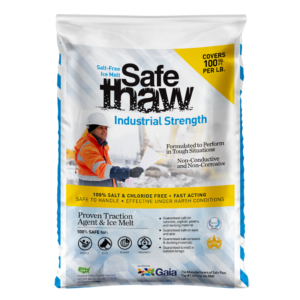
Safe Thaw
Imagine an ice melt you can put down and never worry about. It won’t harm pets, kids, and your property. That’s Safe Thaw. Unlike anything else on the market, Safe Thaw can change how winter affects our planet.