
How To Walk On Snow And Ice Without Cleats
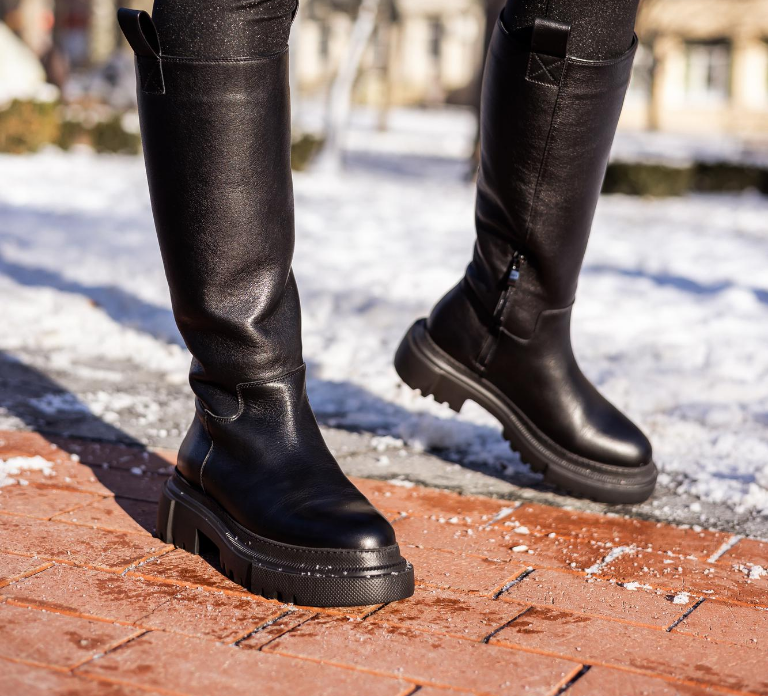
If you’re going to be walking on snow and ice, you want to be prepared. One of the best ways to do that is by making sure that you have good shoes. But there are ways you can easily walk on snow and ice without slipping even if you don’t have boots or cleats.
When thinking about how to walk on snow and ice, the most important thing is to keep your feet moving. If you stop, it can be hard to get moving again. So keep your feet moving at all times and stay on top of the snow or ice instead of sinking into it.
How to Increase Traction on Ice Without Cleats: Using Natural Traction Agents
The most important tip on how to walk on snow and ice is to use a traction agent. Walk on Ice is a simple and effective solution to the most vital winter problem. With 7 nationally sourced and mined minerals with geo crystals, Walk on Ice helps build traction to walk on any icy surface. Whether in a skating rink or walking on steps, you can carry this portable canister in your go-to bag everywhere.
Get ready for winter with Walk On Ice instant traction on snow and ice
Why Traction Agents are the Best Way to Walk on Ice Without Slipping
- Walking Safely on Icy Roads: How to Navigate Slippery Sidewalks
We use ice melt to remove the thin layer of ice after a snowfall. But you would have a different surface if you stepped out. To make walking safer on sidewalks and roads, a portable traction agent will help you tread better anywhere. If you see an icy patch on the way, you can spread the traction agent and avoid slipping.
- How to Prevent Slips and Falls on Ice Without Wearing Boots
The biggest danger during winter is slipping and falling. Over 60% of injuries and concussions caused on the sidewalk are due to slipping on ice. They can hurt your back and knees, increasing your expenses of going to the doctor. To avoid unfortunate accidents, it is best to carry a traction agent so that the sole of your shoes can form a firm grip on the ground.
- Pet and Child-Safe Traction Solutions for Icy Surfaces
Traction agent such as Walk on Ice is safe for kids and pets. It does not irritate and can be used by young ones to spread on the icy surface. Their special absorber and gripper formula help to build better traction while walking, making it safe to step out anytime you wish.
.

Safe Ice Thickness Guidelines: Understanding When Ice is Safe to Walk On
For the average adult, a safe amount of ice to walk on is about 3 inches. If you’re going to venture out onto ice that is thicker than that, it’s best to have some kind of traction—like Walk On Ice—on your shoes.
How Thick Does Ice Have to Be to Walk On? Minimum Safety Standards
One question people often overlook while worrying about slipping is: “How thick does ice have to be to walk on?”
For walking, experts generally recommend at least 4 inches of clear, solid ice to support the weight of an adult. Anything less can be risky, especially if the ice has layers of slush or air pockets beneath it. For groups of people walking together, the recommended thickness goes up—closer to 6–8 inches—to distribute the extra load safely.
It’s also worth noting that ice thickness isn’t uniform. A pond might measure 4 inches in one spot but only 2 inches a few feet away. This is why many winter enthusiasts carry an ice chisel or auger to test thickness before stepping forward.
So, while traction products like Walk On Ice can help you stay upright, they won’t protect you if the surface itself is unstable. Always check the ice thickness before venturing onto frozen lakes or ponds.
Is Cat Litter for Traction Effective? Pros and Cons of Kitty Litter on Ice
Now, here’s a winter hack many people swear by—cat litter for traction. The idea is simple: sprinkle some kitty litter on an icy driveway or set of steps, and the granules provide grip.
But does it really work?
The answer is: sort of. Yes, cat litter can give you temporary grip on slick surfaces, especially the clay-based varieties. The gritty texture adds resistance under your shoes or car tires. However, once the litter absorbs moisture, it often turns into a sticky, clumpy mess. That can create more cleanup than you bargained for, and it doesn’t actually solve the underlying problem of slipperiness.
Another downside is environmental. When the litter gets tracked into drains or gardens, it can cause clogs or soil imbalances. And if you’re using clumping cat litter, it may turn to cement-like sludge in wet conditions.
So, while cat litter for traction is a creative last-minute solution, products like Walk On Ice or even the best sand for ice traction tend to be cleaner and more reliable choices.
What is the Best Sand for Ice Traction? Comparing Sand vs. Kitty Litter
Speaking of sand, it’s one of the oldest tricks in the book for icy conditions. Unlike kitty litter, sand doesn’t absorb water or clump. Instead, it scatters across the surface, creating friction between your shoes or tires and the ice below.
If you’re wondering which type works best, look for coarse sand or traction grit. Playground sand or fine builders’ sand tends to blow away easily or sink into snow, while coarse sand has more bite. Many municipalities actually mix sand with salt to strike a balance between grip and melting power.
The trade-off? Sand does leave behind a mess once the snow melts. It can clog storm drains if overused, and you’ll likely need to sweep it off your driveway come spring. But compared to the sticky sludge of kitty litter, it’s often the lesser evil.
For a balance of safety and convenience, you might keep a bucket of sand in the garage for large surfaces while relying on a portable traction agent like Walk On Ice for quick fixes when you’re on the go.
How to Make Stairs Non-Slip in Winter: Anti-Slip Solutions for Icy Steps
Slippery stairs are one of the most dangerous hazards in winter. Even if you’ve mastered walking on flat sidewalks, a slick wooden or concrete step can catch you off guard in an instant. So, what’s the best approach?
Here are a few practical options:
- Non-slip stair treads – Rubber or adhesive strips add grip and can be installed quickly. Look for heavy-duty versions that can withstand freezing temperatures.
- Sand or grit application – Just like on sidewalks, spreading coarse sand for traction on steps can provide temporary grip. The downside is frequent reapplication.
- Traction mats – These are removable mats designed specifically for icy stairs. Some even have heated elements, though those can get pricey.
- Traction agents – A quick sprinkle of Walk On Ice can create an instant skid-free surface. This works especially well if you’re short on time and don’t want to wait for salt or deicers to activate.
If you have pets, remember that many traditional ice melts can damage their paws. Opt for pet-safe solutions whenever possible. And for wooden stairs, avoid harsh chemicals that might stain or weaken the material.
Conclusion: Mastering Winter Safety with Traction Magic and Walk On Ice
Walking on ice without cleats is possible—it just requires preparation and the right tools. Always remember that safety isn’t just about grip on the surface; it’s also about understanding how thick does ice have to be to walk on in the first place. No amount of traction will help if the ice itself can’t support you.
When it comes to traction, cat litter for traction might help in a pinch, but it quickly becomes messy. The best sand for ice traction offers better grip with fewer downsides, though cleanup is still necessary. For stairs and small, high-risk areas, learning how to make stairs non slip with treads, mats, or portable traction agents is the smartest route.
Other Ice Melt Products
Safe Paw
The Original and #1 Selling Pet and Child Safe Ice Melt for over 20 years. Guaranteed environmentally safe – will not harm waterways and sensitive wetlands. All products are made in the USA.

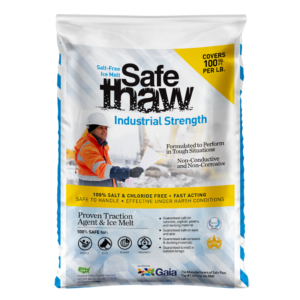
Safe Thaw
Imagine an ice melt you can put down and never worry about. It won’t harm pets, kids, and your property. That’s Safe Thaw. Unlike anything else on the market, Safe Thaw can change how winter affects our planet.